Owner-operated · Licensed & insured · CPC1459857

License # CPC1459857
Free consultation
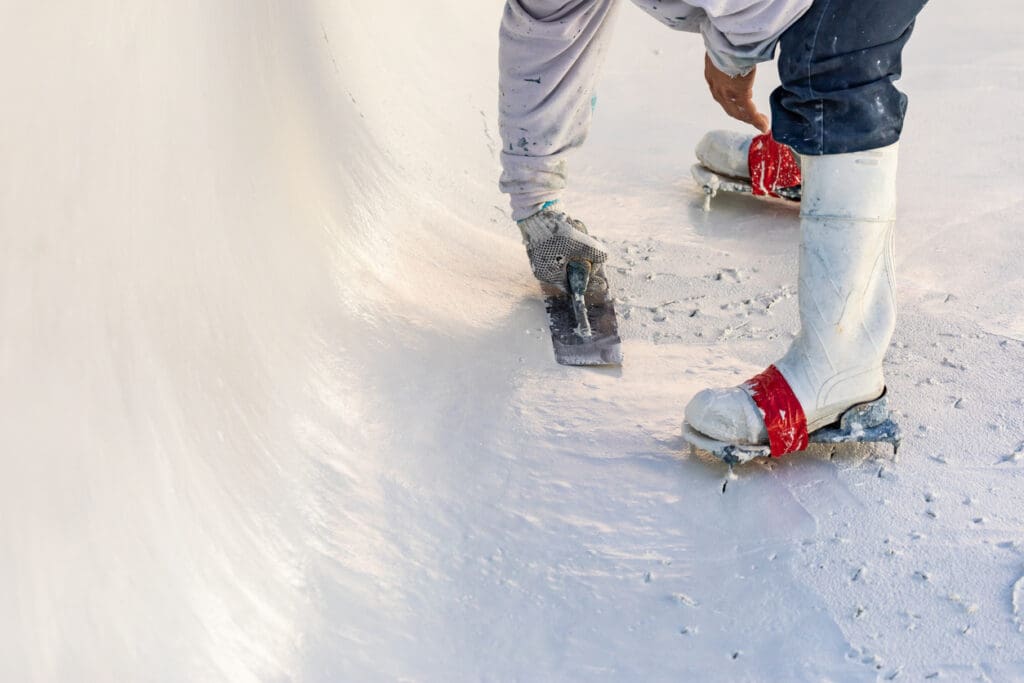
If your pool's interior is looking rough, discolored, or stained in ways that chemicals can't fix, resurfacing is probably on your radar. For gunite and concrete pool owners throughout Jacksonville, Orange Park, Ponte Vedra Beach, and the broader Northeast Florida coast, resurfacing is often the most cost-effective way to restore a pool that's structurally sound but showing its age on the interior.
Southern Pools of Florida (CPC1459857) handles pool remodeling and resurfacing projects across Clay County, St. Johns County, Duval County, and Nassau County. Matt and Josh personally assess every remodeling project before a scope is set. Below, we break down what pool resurfacing actually costs in our market, what drives the price, and how to know when resurfacing is the right call versus a more complete renovation.
This guide focuses on price. For the full walkthrough of the process — finish options, how long the work takes, and how to tell when it is time — read our complete guide to pool resurfacing in Northeast Florida.
Pool resurfacing replaces the interior finish of your pool shell. Over time, plaster and aggregate surfaces break down — they become rough, pitted, discolored, or persistently prone to algae staining. Resurfacing removes the deteriorated surface and applies a fresh one, extending the pool's useful life by 10 to 20 years depending on the finish you choose.
Importantly, resurfacing addresses the interior surface only. It does not repair structural cracks in the shell, replace equipment, or rebuild the deck. Those are separate scopes that may or may not be part of a broader remodeling project. Understanding that distinction helps you budget accurately before getting estimates.
Several indicators suggest that resurfacing is due. The most common include rough or pitted surfaces that scratch swimmers' feet, persistent algae staining that doesn't respond to chemical treatment, visible crazing — hairline fractures across the plaster surface — and surface peeling, chipping, or delamination near steps and fittings.
In Northeast Florida, standard white plaster finishes typically last 7 to 10 years. Pebble and quartz aggregate surfaces generally last 15 to 20 years with proper water chemistry maintenance. If your pool is approaching or beyond those thresholds, a surface evaluation is a smart first step before those cosmetic issues become structural ones.
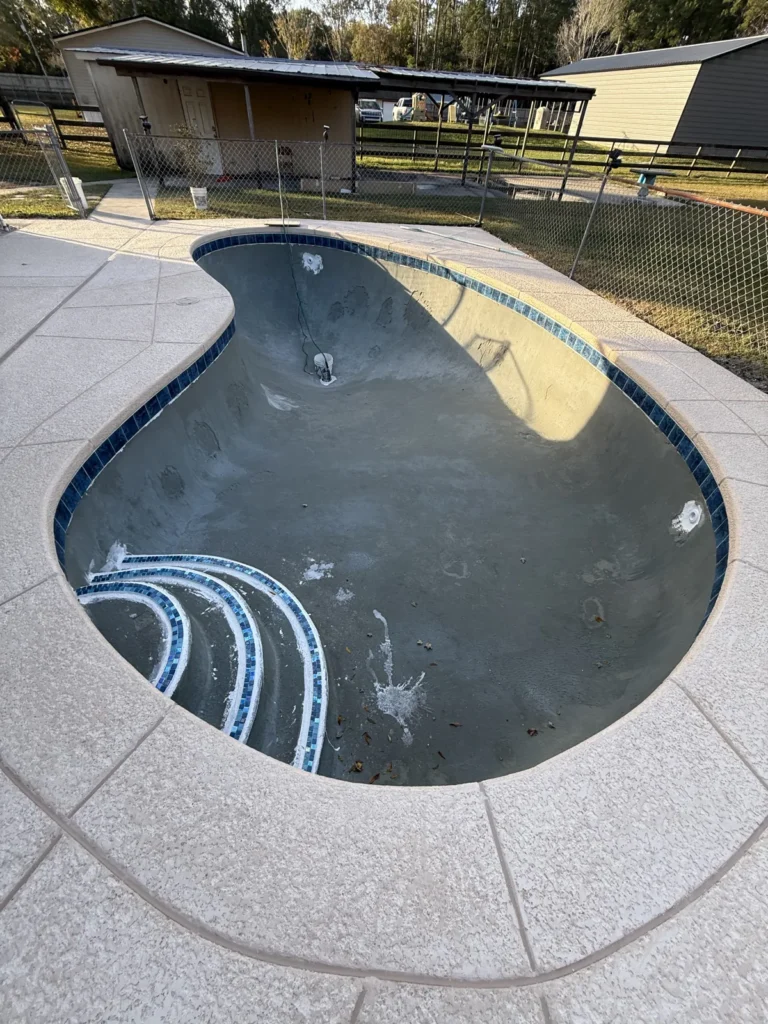
There is no single number that applies across all projects in our market. Pool size, finish selection, the current condition of the existing surface, and any concurrent work — tile replacement, coping repair, equipment upgrade — all affect the final cost. That said, here is the framework Northeast Florida homeowners should understand when budgeting.
Standard White Plaster (Marcite) White plaster is the traditional pool interior finish and the most affordable starting point. It delivers a clean, classic look and is the most common existing surface in older Northeast Florida pools. It's also the most porous finish available — consistent water chemistry management is essential to prevent staining and scaling. In Florida's climate and water conditions, expect to replaster again within 7 to 10 years.
White plaster represents the entry-level cost range for resurfacing. Because material costs are lower and surface preparation is generally straightforward, it's the most accessible option for homeowners working with tighter renovation budgets.
Quartz Aggregate Quartz aggregate finishes blend fine quartz particles into the plaster base, producing a harder, denser, and more stain-resistant surface than standard plaster. Quartz finishes are available in a wide range of colors and hold up better against Northeast Florida's heat, humidity, and water chemistry variations. They typically last longer than white plaster — often 15 years or more with proper care.
The cost for quartz aggregate runs higher than white plaster, reflecting both the material upgrade and the surface preparation required. For most homeowners, the longer lifespan makes the investment worthwhile on a per-year-of-use basis.
Pebble Aggregate Pebble finishes — sometimes called pebble plaster — embed small natural or synthetic pebbles into the surface, creating a highly textured, durable interior that resists algae and tolerates water chemistry fluctuations well. The visual effect is distinctly different from both plaster and quartz, often lending a more natural or resort-style aesthetic.
Pebble finishes are among the longest-lasting interior options, frequently reaching 20 years when water chemistry is maintained consistently. Consequently, they carry a higher price point than quartz. For a pool you plan to own for many years, pebble represents the premium-but-durable choice.
Beyond finish selection, several additional factors shape the total budget for a Northeast Florida resurface.
Pool size is the most straightforward driver — more square footage means more material and more labor. A large freeform pool costs meaningfully more to resurface than a compact rectangular one, regardless of finish choice.
Surface preparation is where budget surprises often appear. If the existing surface requires chipping, pressure blasting, or significant crack repair before new material can bond properly, those preparation costs add to the total. The worse the existing condition, the more preparation the job requires.
Simultaneous work affects both cost and overall project value. Many homeowners choose to address waterline tile, coping, or minor structural issues during the same drain cycle as a resurface. Bundling repairs in a single mobilization typically costs less than scheduling separate drain events for each item.
Equipment and permitting are also worth flagging. A straightforward interior resurface generally does not require a building permit in most Florida counties. However, if the project includes structural repair, new electrical connections, or significant additions, permit requirements may apply. Your licensed contractor will advise you on what triggers permitting for your specific scope.
Resurfacing makes sense when the shell is structurally sound and the primary issue is the interior finish. However, if your pool also has outdated or failing equipment, an aging deck, deteriorated coping, or features you'd like to change, a more comprehensive remodel often delivers better long-term value than a resurface alone.
Furthermore, older pools sometimes reveal plumbing or structural issues during a drain cycle that aren't visible from the deck. In our experience, homeowners with pools over 15 years old benefit from a full assessment before deciding between a targeted resurface and a complete renovation. Addressing everything in a single project scope — rather than draining the pool twice over two years — saves money and time.
For a full overview of what a pool renovation can include, see our pool remodeling services page. Additionally, the Pool & Hot Tub Alliance (PHTA) publishes guidance on pool surface standards and maintenance intervals worth reviewing.
If your pool surface is showing its age, the first step is a direct conversation about what's actually needed. At Southern Pools of Florida, Matt and Josh evaluate every remodeling and resurfacing project personally. They assess the work — and they oversee it from start to finish. There are no subcontracted crews or absentee management on our jobs.
Call 904-465-5621 or contact us online to schedule an assessment for your Orange Park, Ponte Vedra Beach, Fernandina Beach, or Jacksonville-area pool. Browse our project gallery to see renovation work we've completed across the service area. For larger remodeling projects, Lyon Financial offers pool financing with unsecured loans up to $200,000 and terms up to 30 years.
How much does pool resurfacing cost in Northeast Florida?
Resurfacing costs vary by finish type, pool size, and surface condition. White plaster is the most affordable starting point. Quartz and pebble aggregate finishes cost more but last considerably longer. The most reliable estimate comes from a current site assessment by a licensed contractor familiar with your specific pool and county — not regional averages from other Florida markets.
How do I know if my pool needs resurfacing?
Common signs include rough or pitted surfaces that scratch swimmers, persistent staining that doesn't respond to chemical treatment, visible crazing or chipping across the plaster, and surface discoloration. In Northeast Florida, standard white plaster typically lasts 7 to 10 years. Pebble and quartz finishes generally reach 15 to 20 years with consistent water chemistry maintenance.
Does pool resurfacing require a permit in Florida?
In most Florida counties, a basic interior resurface does not require a building permit. However, projects that include structural repairs, new electrical work, or significant additions may trigger permitting requirements. Your licensed contractor will advise on what applies to your specific scope. You can also verify a pool contractor's license through Florida's DBPR before hiring.
Is there a better time of year to resurface a pool in Northeast Florida?
Fall and winter are generally ideal. Cooler temperatures support better plaster curing, contractor scheduling is more flexible during the off-season, and you lose minimal swimming time during Northeast Florida's cooler months. Many homeowners use October through February to complete resurfacing and remodeling work so the pool is ready for spring.